
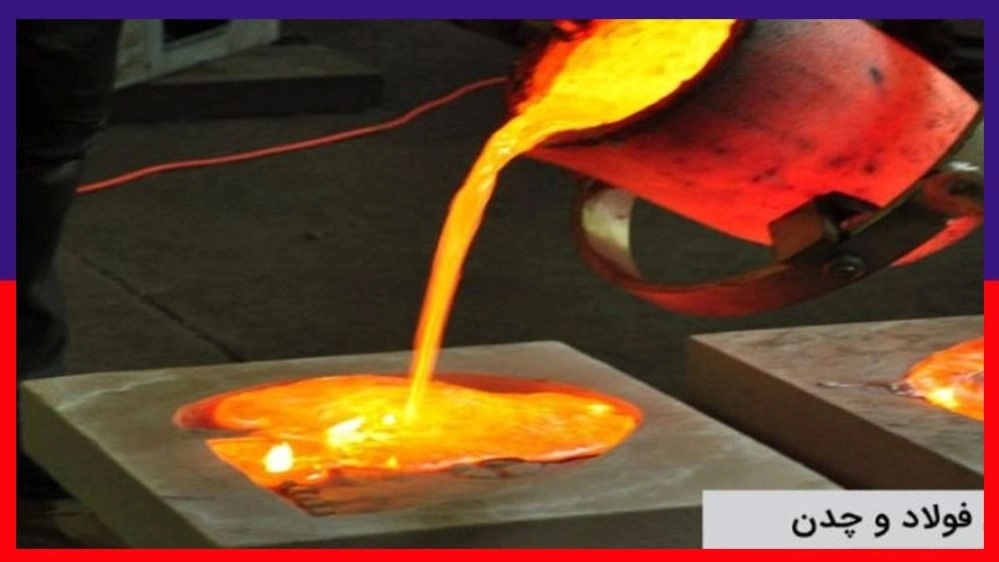
Steel and cast iron are both iron alloys that are formed by combining iron with carbon and other elements. The main difference between steel and cast iron is the amount of carbon in them. Steel is an alloy of iron that contains 0.02 to 2.1% carbon. Steel has properties such as strength, hardness and flexibility. Steel is used in a variety of applications, including:
• Construction: Steel is used in the construction of steel structures, such as buildings, bridges, and towers.
• Automotive: steel is used in the construction of body, chassis and other car parts.
• consumer products: steel in the manufacture of household appliances, Electrical appliances and other consumer products are used.
Methods of production of steel and cast iron
Steel and cast iron are produced in two main ways:
• Blast furnace: In this method, iron ore, coke and dolomite are mixed together in a blast furnace and They are heated at a temperature above 1500 degrees Celsius. In this process, iron ore is converted into molten iron. Then, molten iron is mixed with carbon and other alloying elements to produce steel or cast iron. Electric arc furnace: In this method, scrap iron, coke, and other alloying materials They are melted together in an electric arc furnace. In this process, scrap iron is converted into molten iron. Then, molten iron is mixed with carbon and other alloying elements to produce steel or cast iron.
Steps to produce steel and cast iron in the long oven
The stages of steel and cast iron production in the blast furnace are as follows:
• Loading raw materials: Iron ore, coke and dolomite are loaded in the blast furnace.
• Heating of raw materials: raw materials are heated at a temperature above 1500 degrees Celsius. • Separation of impurities: Impurities in molten iron, such as sulfur and phosphorus, are separated in this step. • Addition of carbon and other alloying elements: Carbon and other alloying elements are added to molten iron. are used to produce steel or cast iron. Molten iron discharge: Molten iron is discharged from the blast furnace.
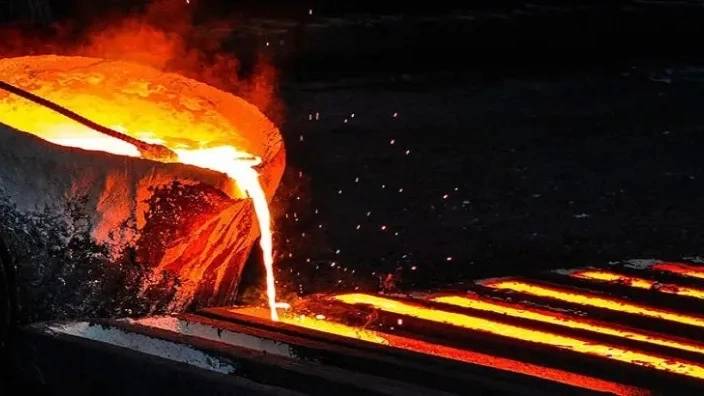
Steps to produce steel and cast iron in the arc furnace
The stages of steel and cast iron production in the electric arc furnace are as follows: Loading raw materials: scrap iron, coke and other alloy materials are loaded in the electric arc furnace .
• Heating of raw materials: raw materials are heated using an electric arc. .
• Separation of impurities: Impurities in molten iron, such as sulfur and phosphorus, are separated in this step.
• Addition of carbon and other alloying elements: Carbon and other alloying elements They are added to molten iron to produce steel or cast iron. Molten iron discharge: Molten iron is discharged from the electric arc furnace.